
FOR READERS WHO HAVE FOUND ME HERE–PLEASE FOLLOW ME TO SUBSTACK:
Inspirational reflections on this and that.
FOR READERS WHO HAVE FOUND ME HERE–PLEASE FOLLOW ME TO SUBSTACK:
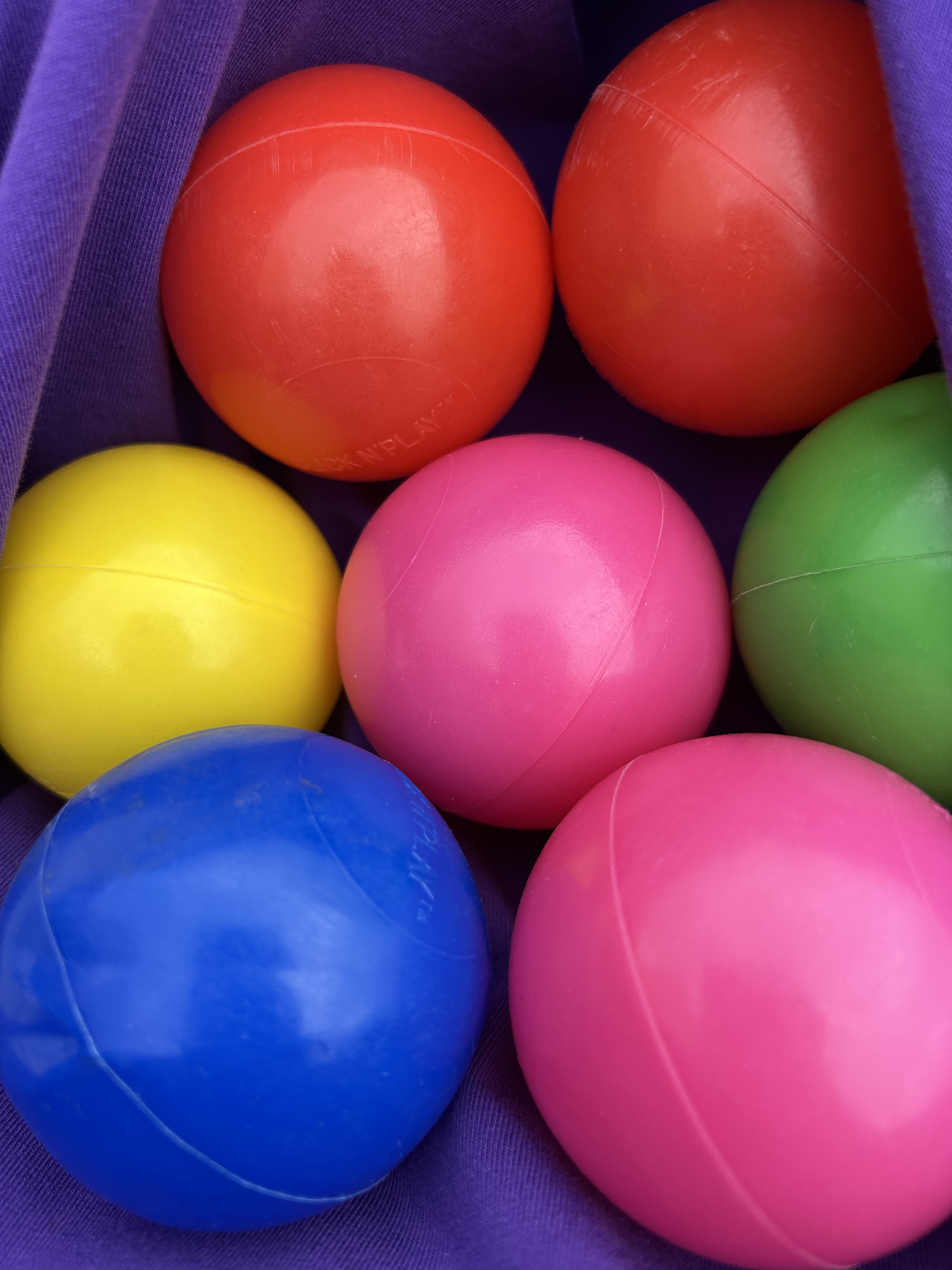
Lies come in many colors. While ‘little white lies’ are harmless, others are more nefarious. There are the ‘true blue’ ones which are mostly but not completely true like, “I have horsed around with kids,” which coach Jerry Sandusky said when first accused of child abuse; the ‘red hot,’ ones, like “I can make you 10-20% a year, risk-free,” which Bernie Madoff told his investment clients; and the ‘naive green’ lies, “These are just medical manipulations,” Dr. Larry Nassar assured the gymnasts he sexually abused, sometimes in the presence of their own parents!
Each of these men fooled others for more than 20 years. What does this tell us? That truth is hard to discern. Even lie detectors can only observe ‘deception,’ not actual lies. A good liar is like a juggler, able to keep one eye on the trajectory of one ball as another is launched upwards. Lying also ignites the brain’s frontal and temporal lobes along with the entire limbic system, giving the liar a dopamine rush. Fortunately, we lie less as we age but that’s because there’s no longer a need to impress or flatter others.
Bella DePaulo, a psychologist at the University of Virginia, says that lying is simply a condition of life. She found that both men and women lie in “a fifth of their social exchanges lasting 10 or more minutes.” Yikes! Women lie mostly to keep from hurting other people’s feelings. Men lie mostly about themselves. De Paulo says that even the most honest people probably lie at least once a week. It’s just how we’re wired. We lie for gain, to protect ourselves and to avoid painful, awkward situations. For some, lying can become a way of life, but it’s stochastic and hard to pin down.
Recently a client said to me, “You can tell when people are lying, right?”
“No,” I replied. “I really can’t.”
He seemed surprised and almost disappointed. I briefly wondered if he was lying, but it’s not my concern. I am more focused on the truths which I try to help clients uncover in themselves. Sometimes it happens by pulling a single thread. Other times, it involves untangling knots that have lain dormant for years. The truth is always there, though. I figure it’s just waiting to be set free.
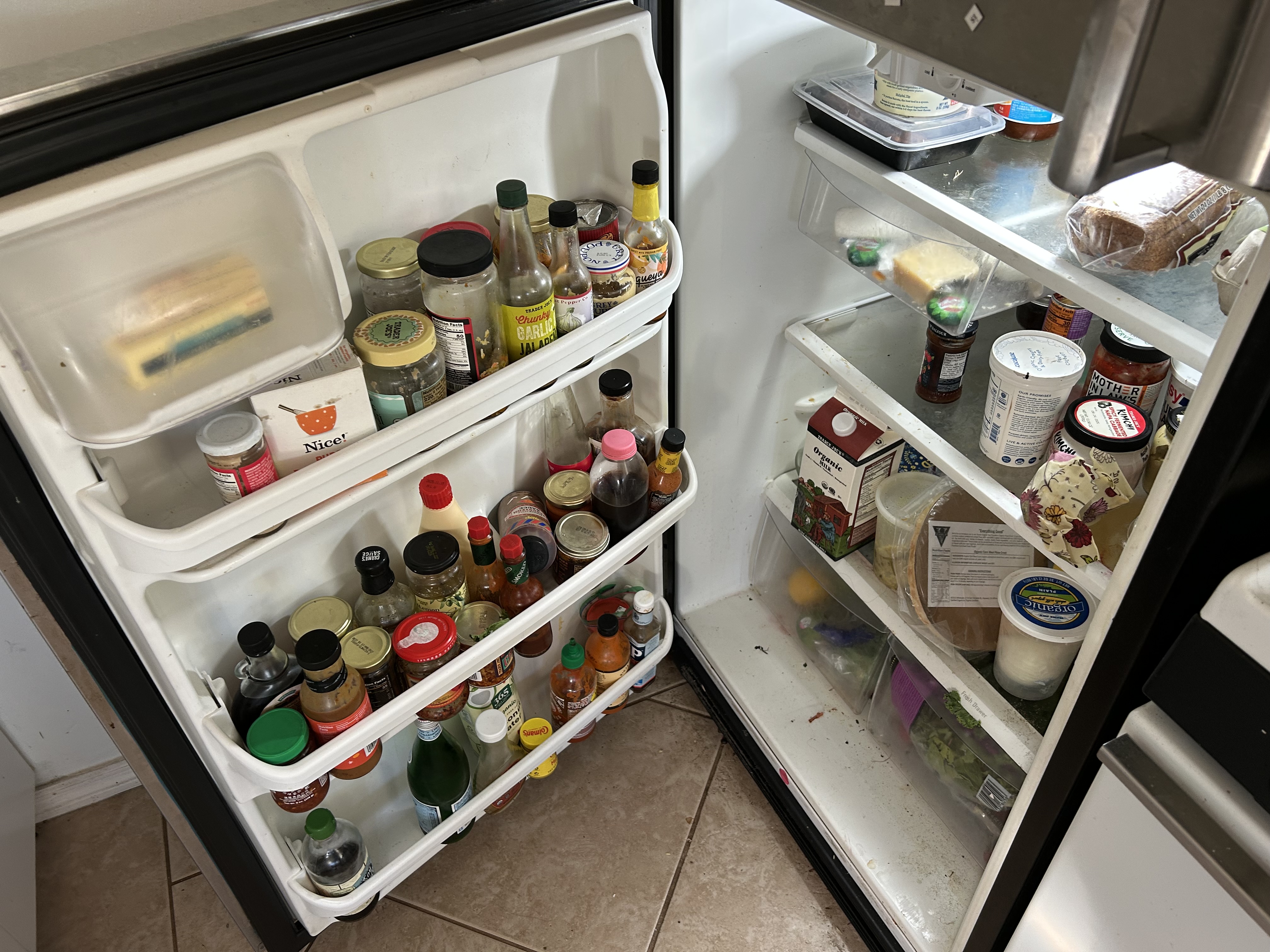
They say you can tell a bit about someone by looking in their icebox. (You can also tell a bit about someone who still uses the word icebox). The author in this link says your fridge speaks volumes about you and can even tell your financial status. Are you a vegan with probiotics and supplements? A meat-eater with only ice cream and vodka in the freezer? Or, is yours filled with only leftovers and condiments from takeout? Take a peek inside.
Another nifty clue about us is what picture we have on the lock-screen of our phones. It typically reflects what we value. Is it a picture of your pet, partner, possessions or kids? Or, do you have multiple pictures of yourself, like Trump? Even the color of our phones and their cases clues others to our values. Are you a bold red, a cool blue or a wise purple? Check it out.
For more than a century we’ve also assessed others by their car choices. Are you a wind-in-your-hair kind of convertible? A showy Jag? An economical Subaru? An adventurous Jeep? Maybe you’re even a vintage salvage who rarely leaves the garage, or a collector like Jay Leno. Do you keep your car shiny and spotless or is it a trash-filled clunker? Can you see through your windows? Think of them as your eyes.
Wardrobe is another clue. The statement, “The clothes make the man,” is found as far back as Homer and was later echoed by Shakespeare. I figure if we’re confident in our own skin, it doesn’t matter what we wear. Clothes can reflect our status, or not. The adage that millionaires dress like paupers is often true because it is a way of not drawing attention to oneself.. What does your mirror show? A baggy slob, an eclectic clotheshorse or a designer’s dream?
The irony is that no matter how many ‘clues’ the world has in order to better understand us, their assumptions are not always accurate. Others see us only as far as they can see themselves. Recently, a gal I’ve known for years said to me, “When we first met, I thought you were flirty with guys. Now I realize you’re just as flirty with girls.” Of course, I think I’m equally ‘friendly’ with all genders. Just goes to show that all the clues in the world don’t necessarily solve the puzzle.
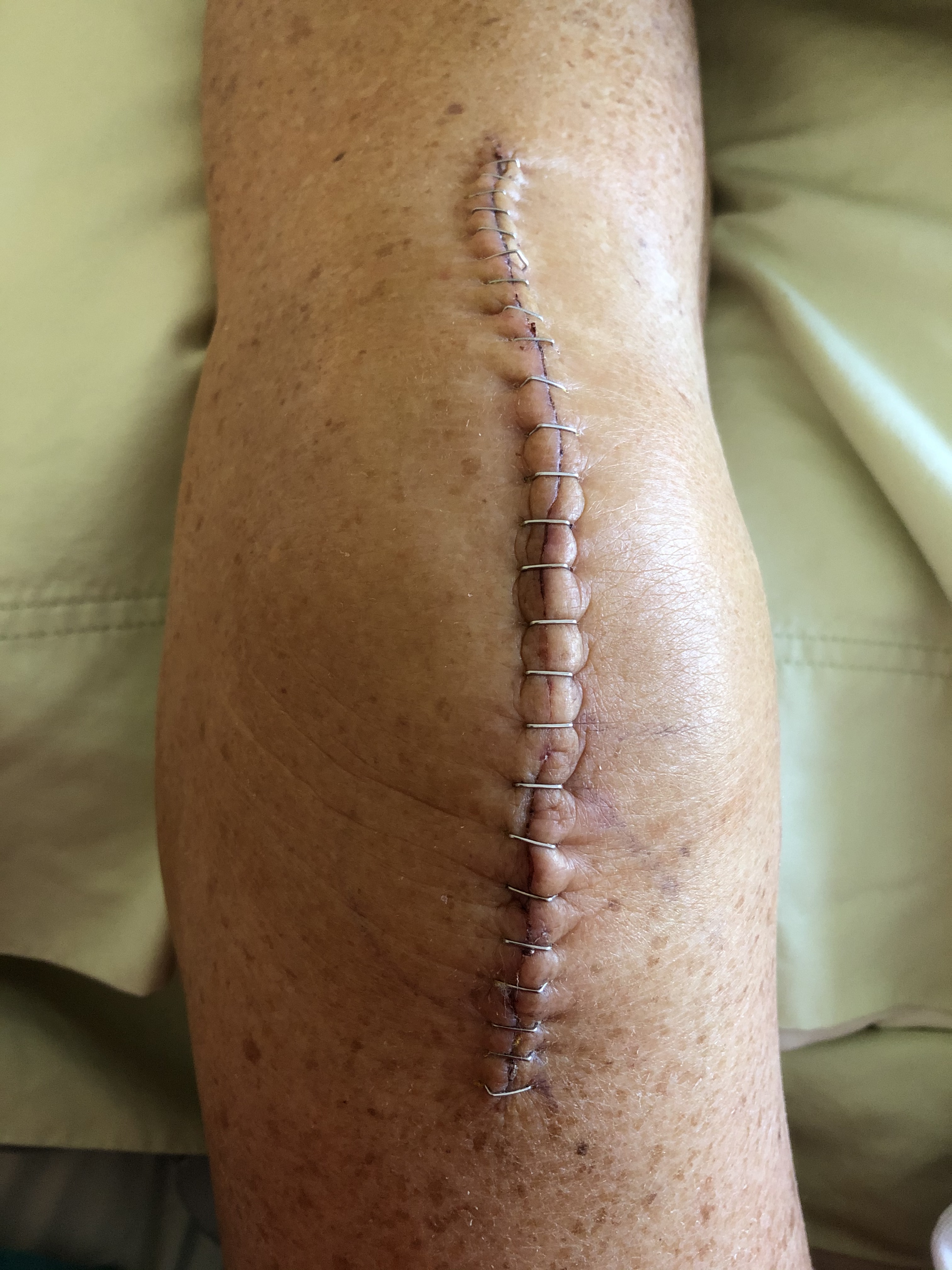
I still remember every, single one of those metal staples being pulled out of me by pliers. That was just the surface pain. Underneath was a gut-wrenching trauma. As my surgeon breezily explained, “It’s brutal. I make a 10-inch incision across your knee and remove your knee cap. Then I saw your leg in half, sand down your thigh and shin bones, hammer metal pieces to both and re-attach them. Then, I sew you back up.” The ‘brutal’ part was the rehab afterwards.
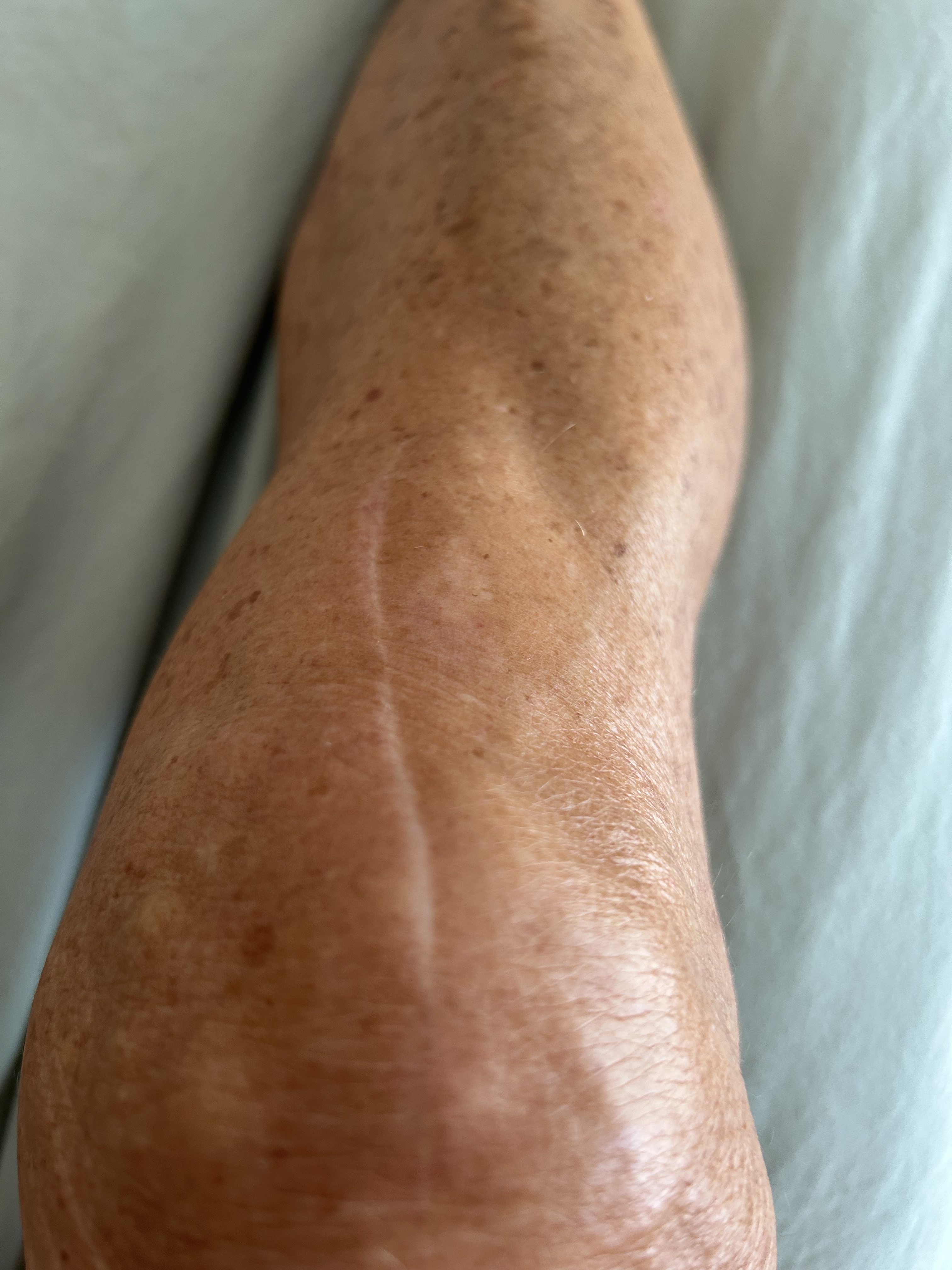
The poet Rumi said, “The wound is the place light enters you,” and we all get our share. Only a few will leave visible scars like: the one on my back from a barbwire fence, on my thigh from a Doberman attack, or the jagged one from childbirth. The ones from being dragged by my parachute have mostly disappeared but they ALL make great stories to tell! Like the Japanese art of Kintsugi, our bodies weave their own scars binding the old with the new.
For as long as I can remember, society has tried to airbrush my imperfections. I vividly recall the day I was walking along Madison Avenue wearing heels when a guy caught up to me at a stoplight. “I’ve been following you for blocks,” he said breathlessly. “You have beautiful legs, but your face doesn’t match your body. Here, take my card!” I glanced at it. He was a plastic surgeon. I was 35. Imagine what the poor man would think if he saw me today.
Yesterday, I said to a depressed, young client, “You are a lucky girl!”
“Why?” she scowled.
“You have your whole life ahead of you. Imagine if you woke up this morning and were my age!! Also, you have great hair.”
She smiled.
“I never thought of it like that. And I do have great hair.”
Former sports commentator, Stuart Scott, once said, “In football, as in life, the hits you don’t see coming are the ones that do the most damage.” The same can be said for our wounds: the ones you can’t see are the ones that do the most damage. But they also make us just that much more human. That’s a good thing. We are living, breathing, patchwork quilts. I’m just thrilled to still be in my skin and proud of every, weird square! Hopefully you are, too. Just remember, scars fade.

Lately, my couples have been going after each other like these quail; their beaks moving fast and furiously to get the last seed— or word— in. Sometimes, I remove myself from the jabber and just listen. Two sentiments between multiple partners have repeated themselves over and over. They bear noting:
1. “You should know… how I feel.”
2. “You never… listen to me.”
Both are huge, red flags in a relationship.
1. No one ‘should know’ how you feel. You need to tell them. If you don’t, they can only speculate. If they speculate, you’re leaving everything up to chance and we all know how that goes. Only you know how you feel and honestly? Sometimes even you don’t know. So don’t expect your partner to be a mind reader. Tell them how you feel as clearly and kindly as you can. Remember, your feelings are valid, and you have them for a reason.
2. If you start a conversation with, “You never listen,” or “You don’t care,” don’t expect them to listen or care. (‘always’ and ‘never’ are issues as well). Start a conversation by saying what you want to say. Period. Don’t begin by hurling accusations. By the time they stop defending themselves, and they will feel defensive, whatever you were going to say has long been forgotten. It also comes across as whiny and paints you as a victim.
There are two schools of thought about making relationships work. One says conflict is inevitable. The other says conflict is not necessary. It really comes down to the personalities of the two people involved. If one pokes the bear and the bear doesn’t bristle, all is quiet, (though not necessarily happy). If one pokes the bear and it bites, look out. If one tries to force a resolution and the other isn’t ready, sparks will fly, particularly if both feel they’re right.
One thing remains true: if it’s bad in the beginning it rarely gets better with time. Oil will never mix with water. When I was young, I once asked my great-grandmother if she had ever argued with her husband. Since she was a very domineering, opinionated woman, I figured she had lots of them. When she replied, “No, I don’t think so. I can’t remember one,” I was surprised. Then she added, “I think he was just happy with whatever made me happy.”

This buck won’t drink outside my window unless he feels safe. He knows I’m here and stares at me to be sure I don’t move. I don’t. After days of this, he has come to trust it here and now drinks every night at the same time. But trust takes time and it starts with little moments of connection.
The simplest things connect us to each other: a shared hobby, a matching shirt or just having a dog of the same breed. These little touchstones keep us from feeling separate and isolated in the world. Our connections to others, no matter how short and sweet, or long and deep, keep us from falling over the edge of ourselves–and that slope can be a steep one.
Our friends are our first connections. Science says they even define us. I expect mine to be kind, inclusive of strangers and accept me as I am. If they are jerks to others, not welcoming to strangers or more focused on my flaws than my assets, they don’t make the cut. This includes family. As I tell clients, “Just because you share DNA does not mean you have to share Thanksgiving dinner.”
Scientists say we share about 1% of our DNA with our friends. This means we are likely just as ‘close’ to a friend as we are to our 4th cousin. (Of course, we also share 50% of our DNA with bananas, so what does that tell us?) Further, it says that we choose our friends not just for who they are but for how they support who we are. So much for altruism. Apparently, we’re all narcissists.
Recently, my clients had to put down their dog. Both were bereft but the husband particularly so. They had adopted the pup when they first married. “She’s been with us since the beginning. Now I worry that with her gone, we will lose our connection to each other.” My first thought was, “Really? The dog is what kept you together for 13 years?” But I get it. He was that touchstone.
Many things hold us to each other: faith, money, kids, and time invested. Trust, though is the real glue. It lays the foundation for everything else. I have a pickleball partner whom I trust implicitly. In the five years we’ve played together, he has never corrected me and offered only encouragement. If an opponent blasts me with a ball, he will even throw himself between us.
But here’s the kicker: when I step on the court with him I trust I’m on solid ground. He’s a far superior athlete but makes me feel like I am, too. He doesn’t blink when I sing or dance on the courts, or tell me to, ‘keep it down.’ He just smiles (and steals my balls whenever he can). If every romantic relationship had a partner like that, I’d be out of business. Frankly? I wouldn’t mind one, little bit.
P. S. He did once ask me if I could “play a whole game without talking.” I tried it and ended up with a splitting headache.
Recently, Khloe Kardashian, 41, announced what she has done–so far–to make herself more beautiful: nose job, laser hair removal, chin implant, lip fillers, Botox, salmon sperm-facials, (yup) and soft-wave laser planing to tighten her skin. One wonders what more she’ll have done, or have to re-do, by the time she’s my age. The example she sets for both her followers and her own children? You need plastic surgery to make yourself look more acceptable. It’s just not enough to have been born lovely.
Every day, I work with people who feel they are not enough. They’re not rich enough so they work themselves to death. They’re not loved enough so they have affairs or their partners aren’t enough so they become porn addicts. They buy things they don’t need to fill their loneliness. Their next meal is more important than the one in their mouth. One obese fellow said his motto was, “When in doubt, Door Dash!” He doesn’t leave his house for fear of ridicule. The irony? He feared the ridicule before he became fat.
He’s not alone. Some consume entire cakes before getting their Ozempic shot. Others fantasize about their next conquest while they’re having sex! Still others imagine their impending fortunes while blowing entire paychecks on FanDuel. No wonder obesity and mental illness have more than doubled since the advent of social media. Never in history have we been plagued with so much idle time to contemplate our navels and everyone else’s on our iPhones.
We don’t come into the world thinking we need plastic surgery, another tattoo or a Maserati. We’re happy in our own skin. We’re happy with what we have. When someone smiles at us, we smile back. Life is simple. We make friends in a heartbeat. We don’t second guess our every move or anyone else’s. We are simply ourselves and our selves are simply FABULOUS!
Yesterday, I was getting out of the pool, where a little fellow was paddling around in a floatie. The second our eyes met, he smiled. I smiled back. He began paddling towards me, so I back pedaled a bit to give him some room. He wasn’t having it. He swooshed right up to me, took hold of my arm and just grinned.
“Oh! He likes you,” his mother cooed.
That moment when his brown eyes looked straight into mine with love and acceptance made my day. It’s been almost a week now and I’m still smiling. May you be so lucky to have someone like that in your life. If you’re not, maybe you can be that someone.
P. S. As I left the pool today, about 10 six-year-olds were waiting to swim. “Hey, you guys,” I asked, “How many of you think you’re awesome?” Every kid but one put their hand up. Would you?

There is a line in the Declaration of Independence that has long intrigued me: “all experience hath shown, that mankind are more disposed to suffer, while evils are sufferable, than to right themselves by abolishing the forms to which they are accustomed.” It intrigues me because of the truth of it. We do suffer, and usually quietly, when we find ourselves stuck in situations we don’t quite know how to get out of.
250 years later, and not much has changed. What foresight, intuition and deep understanding of the human condition those signers had. At its core, ‘Independence’ signifies freedom from the control, influence, or support of others. It is that quality of standing alone and standing tall without being propped up by anything but your own two feet.
Not everyone has the courage. Many of us have it only in moments. But think of it this way: we are dependent on our independence. Without it, we’re just worms wiggling through the soil. And while we serve a purpose for those big, blooming flowers that boast, ‘Look how beautiful I am!’ We still spend our lives digging tunnels that no one will ever see.
There is a line in the poem, “If,” by Rudyard Kipling which resonates here:
“If you can watch the things you gave your life to broken, And stoop and build ’em up with wornout tools;”
It is hard to stand up to bullies and even harder to rebuild the damage they have done. Hardest of all is to stand tall through the reparation of it all. But think of it this way: Slouching is linked to lower self-esteem, reduced energy, and negative self-talk. Standing upright, will boost alertness, increase confidence, support emotional regulation, and even increase persistence during stressful tasks!
So, that is what I wish for all my readers on this Fourth of July weekend: to stand up straight even if those around you are crooked. Enough said.

Poet Langston Hughes once wrote, “Hold fast to dreams, for if dreams die, life is a broken-winged bird that cannot fly.” Where would we be without our dreams? They keep us buoyed with hope, consolidate our memories and help transform our emotional distress into resilience. Without them, what is there to look forward to? Dreams are a bit like that blue sky on the other side of clouds; always there but not always easy to reach.
As a little girl, I dreamed of becoming Miss America. In high school, I dreamed of being a cheerleader. In college, I dreamed I’d be the next, great investigative reporter. Not one of those dreams came true but it didn’t matter. By the time they fizzled out, I had a zillion more in their place. Having different-sized dreams helps. For example, my BIG dream is to live on the ocean. My medium dream is to be able to see the ocean and my little dream is to live in California!
Our dreams drive our passions and purpose. And it’s not just our day dreams that matter; the dreams we have when we sleep are equally important. In fact, if you are not dreaming at night, something is wrong. Most likely you are not getting the requisite 1½ hours of REM sleep that you need. Babies spend half their sleep in REM and by age 80, you only get 17%!
Lately, I’ve had a recurring dream that I must get to a particular building at a specific time but each time I’m thwarted. Either there’s a detour, a barricade, or I can see the building but there is no feasible entry into it. Several times, I’ve been IN the building but can’t reach the specific staircase which leads to the correct hallway which leads to the precise door. Once, I was in the building and entered the staircase but halfway up, I woke up! Perhaps, I am trying to resolve something but haven’t quite found the right solution yet.
Every year, I put some of my dreams away in a box. Surfing is in there, along with my Grammy. However, I never quite close the lid. I’m not alone. A 74-year-old woman was recently crowned “Miss Senior America.” She did not give up on her dream. Martin Luther King did not give up on his and neither should you.
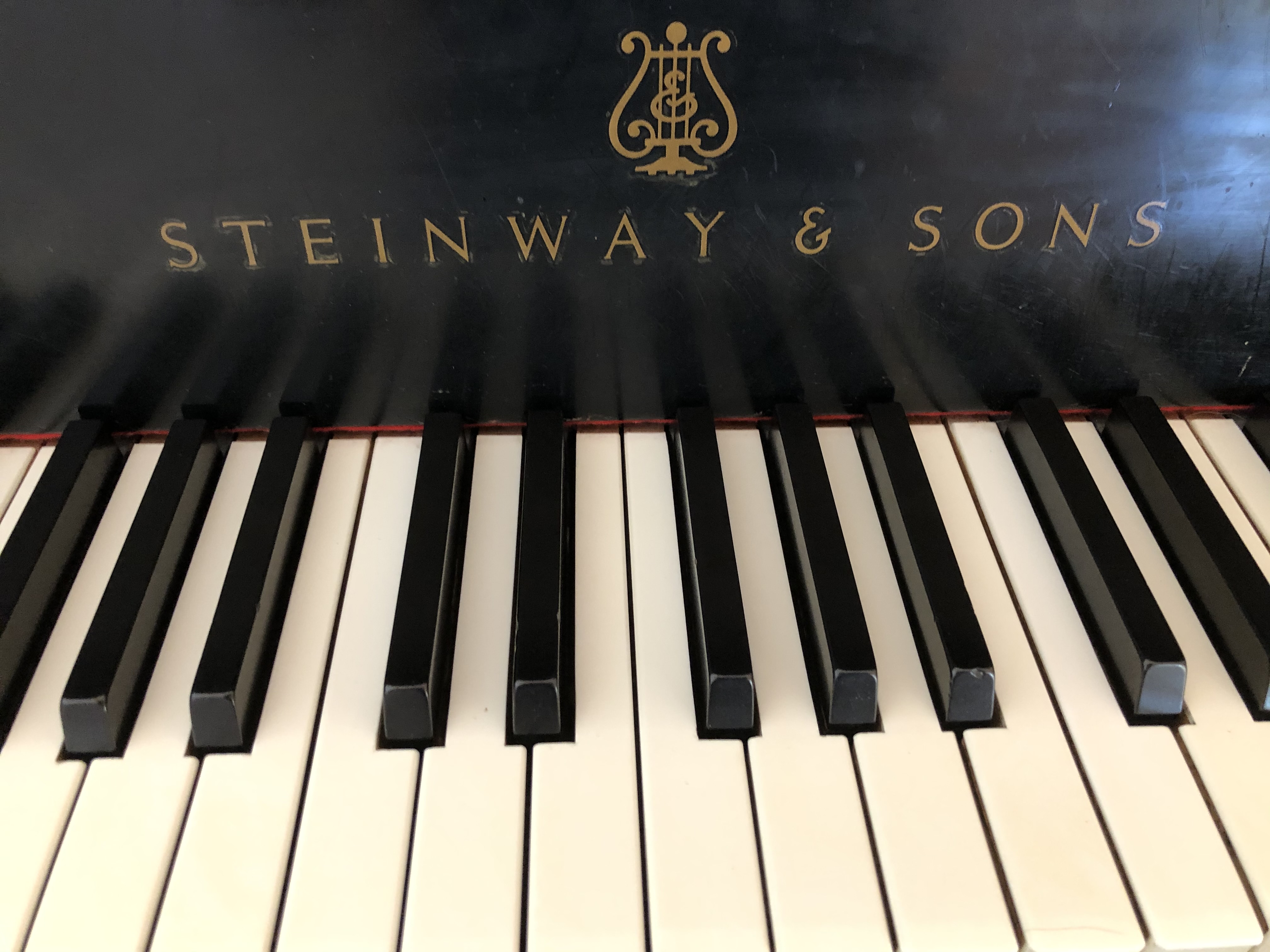
I spend many hours here as my fingers tease melodies out of the keys. Listening to the piano over my lifetime has connected it with so many events that my experience of it has become emotional. Science says that each time I listen, the moments press a sustain pedal in my brain, making the experience resonate longer. It’s no wonder that when I hear a piano, I’m flooded with emotion.
This piece of wood is real and I can touch it. With technology like Virtual Reality, many experiences have become vicarious and orchestrated. Only six years ago, a Chinese scientist created the world’s first genetically altered babies using CRISPR. The future promises to be even more ‘perfect.’ By next year, every newborn in England will have their DNA mapped to assess their risk of hundreds of diseases. Eventually, they will be cured of things before they even contract them!
Which brings me to yet another possibility: purposeful memory extraction. Neuroscientist, Steve Ramirez, wants to remove ‘bad’ memories from our memory. He is the fellow who discovered that one could implant ‘false’ memories in rats by manipulating specific parts of their brains. At first, I imagine how wonderful it might be to eliminate the memories of war from PTSD survivors.
Then, I have second thoughts. I conjure up a particularly negative memory from my own childhood which I figure I don’t need at all. When I imagine my life without that memory, I’m stunned. Without it, I never would have learned how to get out of a difficult situation safely. Without it, I never would have become a deep observer of people. Without it? I might not even be here!
It turns out that the worst experiences in my life have been my greatest teachers. I don’t want to zap those memories away as if they never existed. They built and defined me. They were the source of everything in me that I now love. Buddah said, “We are what we think.” If we remove some of those thoughts, who are we? A puzzle without all the pieces? A disjointed picture plagued by irregular holes? Embrace the whole discordant mess. It is us and we are perfect for today.